As most of us know, losing weight can be a painfully gradual process. Unfortunately, putting on extra weight is also gradual, leading many people not to realize that there’s a problem until they’re put on quite a number of additional pounds.
Making matters worse, one study found that over 40% of people have had an undesired weight gain since the COVID-19 pandemic began in March 2020. Staying home more coupled with the general stress of the pandemic are largely to blame.
The key to stopping a problem before it starts is to recognize some subtle signs or changes that can pop up before you step on the scale and are shocked at the number you see.
First, it’s important to know what obesity is. Obesity is defined by a number 30 or greater for body mass index (BMI). A number higher than 25 is considered overweight but not obese. In layman’s terms, obesity is abnormal fat accumulation that presents a risk to overall health, according to the World Health Organization.
Warren Center for Rehabilitation and Nursing has a look at four subtle signs that obesity could soon be a concern.
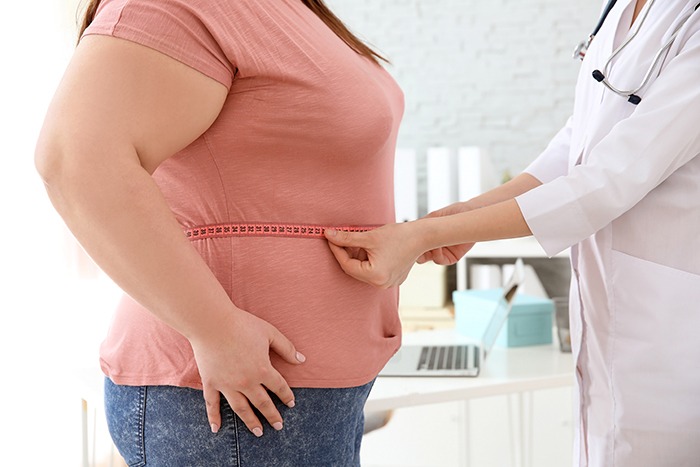
- Changing Waist Size
People tend to catch on to weight gain once their pants start becoming a tight fit. But during the height of the pandemic, so many people were wearing loungewear like gym shorts, yoga pants, and sweatpants, that they weren’t aware of their expanding waistline. It’s recommended to take a tape measure around your waist once a month to make sure you’re staying consistent (or going down, if that’s your goal).
- Health and Fitness Goals Are Being Set Aside
It’s okay to have a cheat day here or there or to skip working out a couple days due to soreness or a nagging injury, but too many cheat days and skipping weeks at a time of exercise are habits that can lead to obesity.
- A Feeling of Sluggishness or Lack of Motivation
Additional weight, poor nutrition, and a lack of exercise can leave you feeling sluggish and more lethargic in general.
- Abnormal Test Results
Sometimes, your body chemistry will alert you to a problem before you see it physically. Elevated blood pressure, cholesterol levels, and higher blood-glucose results can clue you in that a problem is brewing inside you.
To learn more about Warren Center for Rehabilitation and Nursing and all of the services they offer, visit http://warren-center.facilities.centershealthcare.org.